Monday, October 22, 2012
Is a Gluten-Free Diet for You?
If you have been shopping in the local grocery or bakery stores lately, you may be seeing the growing crop of special foods labeled gluten-free. How do you know if this is useful for your health or more dietary hype? Let’s examine what a gluten-free diet is and who would or would not benefit.
Gluten is the protein found in the following grains: wheat, barley, rye and triticale. It gives products made from these grains their structure and elasticity for the dough to rise. It is also a popular food additive in many baked goods, cereals, malt, caramel flavorings, breads, cookies and pastas. Gluten-free grains and starches include: amaranth, arrowroot, corn, flax, millet, oats (but watch since oats are often milled where wheat is, so could be contaminated), potato, quinoa, rice, tapioca, and flours made from nuts, beans and seeds. These grains are starches are no healthier than those with gluten, a common misconception.
The trouble with gluten is for some people, an estimated 1 in 133, their body’s intestinal system creates an inflammatory response to the gluten, causing a cascade of reactions such as abdominal pain, bloating, diarrhea or constipation, malabsorption of nutrients, weight loss, dermatitis, swelling, mouth ulcers, osteoporosis, and bone fractures. When they are diagnosed, the disease state is celiac disease, and these people must avoid gluten. For some people, they may test negative for celiac disease, but still feel better from eliminating gluten; in this case they may have gluten intolerance. However, there is much controversy about this diagnosis since there is no definitive test for gluten intolerance.
If you suspect you may have a problem with gluten, it is important to check with your doctor to get diagnosed before you eliminate gluten and spend money on all those expensive gluten-free products . The key to a proper diagnosis is you must be ingesting gluten to see if you have any gluten intolerance, celiac disease or not. Many people are self-diagnosing, which can be very problematic, as they are missing several essential nutrients including: iron, calcium fiber, thiamin, riboflavin, niacin and folate. These deficiencies over time can lead to several medical problems like anemias and osteoporosis, to name a few. Your doctor will refer you to a registered dietitian for further dietary analysis and recommendations if you do have any gluten issues or not. To find out more about celiac disease, see the National Association for Celiac Awareness at www.celiaccentral.org/


Friday, September 14, 2012
Organic Foods
By Michelle Underwood, Dietetic Intern
with Penn State Extension
In today’s ever-changing marketplace, choosing foods to nourish your family while maintaining a budget can be both difficult and confusing. It seems there are so many foods touting health claims these days, which makes it harder to decode what will be a good choice for your family’s dinner table. “Organic”, “all-natural”, “fresh”, “antibiotic-free”, “cage-free”, “free-range” - what does all this mean and is it worth the price?
The term “organic” refers to foods which have been farmed and produced according to the standards of the United States Department of Agriculture’s (USDA) National Organic Program (NOP). Organic farms cannot use synthetic fertilizers and pesticides, sewage sludge fertilizers, genetically modified seeds, growth hormones, antibiotics or drugs (except in the case of illness). Animals being raised organically must have access to the outdoors, organic feed, and live in non-stressful settings. Organic food processing cannot use non-organic ingredients, irradiation, genetically engineered ingredients, or solvents to extract oil. Farmers must demonstrate these characteristics for three years prior to becoming a certified organic farm. (Organic Labels, 2003)
One cannot assume any food that uses the term “organic” is 100% organic. There are four types of organic labels: “100% organic”, “organic”, “made with organic ingredients”, and others. Foods labeled “100% organic” with the USDA organic seal are the only foods guaranteed to be 100% organic. Foods labeled “organic” must contain at least 95% organic ingredients and have the USDA organic seal. Foods labeled “made with organic ingredients” may not use the USDA organic seal, but must contain at least 70% organic ingredients. Other foods containing organic ingredients may not use the USDA organic seal and may only list the organic ingredients in the ingredient list. (Organic Labeling, 2012) Food labeled as “natural”, “fresh”, “cage-free”, and other labels cannot be assumed to be organic as these terms do not share the same definition.
But are organic foods worth the price? Some might agree, citing an array of health claims from preventing cancer to autism, while others state that you can get all of the benefits of fruits and vegetables from conventionally farmed foods- often for half the price of organic produce. Some advantages of organic foods can include fresh taste, support of local industry, and less environmental impact. However, organic foods can often be costly, less convenient to purchase, and can be misleading as to whether or not they are truly organic. A systematic review of 240 studies from 1966-2011 by Stanford University researchers concluded that organic foods cannot be assumed to have more nutrients as conventionally farmed produce. Organic foods have been found to contain less pesticide residue, but the amount of pesticide residue found in conventionally farmed produce is at acceptable levels and is not known to harm humans. (Spangler et. al, 2012)
So, are organic foods worth the price? Choosing organic foods is really a personal choice to be made by each consumer, weighing the pros and cons. If it comes to decreasing the quantity of fruits and vegetables you consume due to the price of purchasing organic foods, the smart choice should be obvious. When shopping for organic foods, it is important to remember to look for the USDA organic seal and check the label to see if what you are buying is actually organic. Happy shopping!
References:
Penn State College of Agricultural Sciences Cooperative Extension. (2003). Organic Labels. [Brochure]. Brown, JL: Author.
Organic Labeling. Retrieved September 13, 2012 from USDA Agricultural Marketing Service: National Organic Program Web Site: http://www.ams.usda.gov/AMSv1.0/ams.fetchTemplateData.do?&template=TemplateA&navID=NationalOrganicProgram&leftNav=NationalOrganicProgram&page=NOPOrganicLabeling
Crystal Smith-Spangler, Margaret L. Brandeau, Grace E. Hunter, J. Clay Bavinger, Maren Pearson, Paul J. Eschbach, Vandana Sundaram, Hau Liu, Patricia Schirmer, Christopher Stave, Ingram Olkin, Dena M. Bravata; Are Organic Foods Safer or Healthier Than Conventional Alternatives?A Systematic Review. Annals of Internal Medicine. 2012 Sep;
Thursday, August 9, 2012
Dietary Protein- Hype or Healthful?
There is a lot of talk and hype these days about dietary protein. Some people think you need to eat more or take protein supplements for a healthy diet. Others may be low in protein but never realize it. How do you know how much you may need, and what kinds are the best? What about whey protein? Is a higher protein diet good for weight loss? These are all common questions I have been asked, and you may have questions about.
The RDA, or Recommended Dietary Allowance, in the United States for dietary protein ranges from 46-56 grams for adults, or .37 grams/pound of body weight. In the U.S, it is very rare to not consume enough dietary protein, but in many developing countries it is a major cause of malnutrition. Sometimes those who have trouble eating may be low in protein, such as the frail elderly, or those recovering from surgery or burns have higher needs. Otherwise, most of us consume more than we need, which we convert into either glycogen for energy, or is stored as fat. Conversely, some people who have kidney disease may be harmed if they consume too much protein.
The U.S. Dietary Guidelines have a few new recommendations for protein intake. First is to eat a variety of protein foods, not only meats and poultry, but seafood (twice a week), eggs, beans and peas, nuts, seeds, and soy foods. In particular, it states to replace protein foods higher in solid fats, such as meat, full fat dairy, and poultry, with those that are lower in solid fats and/or are higher in oils, like soy, nuts and seeds or beans. When reading the Nutrition Facts labels, a good source of protein is 5-9.9 grams and high source is 10 or more grams per serving. If you are vegan, simply eating a variety of non-animal sources of protein is sufficient.
So, save your money if you are purchasing protein supplements. They can be very expensive, and for healthy people are unnecessary. What about whey protein and weightlifting? Whey is the non-fat part of milk that is left when milk is curdled to make cheese. It also contains lactose, vitamins, minerals, and other substances. It is an excellent source of protein and often an ingredient in protein bars, beverages, and yogurt. It contains a high amount of the amino acid (a building block of protein) leucine, playing an important role in the body’s utilization of energy, and also helps stimulate the body’s synthesis of muscle. Do you need a special supplement of whey to recover and build muscle? No. Simply drink milk or eat yogurt.
Lastly, it is a good idea to heave a source of protein in a meal or snack for weight control. Protein takes a little longer than carbohydrate to digest, and thus provides a feeling of fullness, or satiety. It helps the body control blood glucose (or blood sugar) levels, therefore controlling hunger. So it is all about calorie balance with how much you burn off whether you are gaining, controlling or losing weight.
Have any other questions about protein? Consult with a registered dietitian, or check www.ChooseMyPlate.gov for more answers.
Thursday, July 5, 2012
Myths and Facts about Eating Healthy on a Budget
According to a new survey by the International Food and Information Council, who recently completed a survey of Americans and their thoughts on diet, over 60% thought it is still simply too expensive to eat healthfully. What are your thoughts? Check yourself below to see if you are one of the many thinking this myth is true.
Myth or Fact: Canned and frozen foods are not as healthy as fresh.
Myth. But, it can be tricky to find healthy foods if you don’t read the Nutrition Facts label first. Look for less than 10% daily value of sodium, buy the low sodium version, or drain and rinse vegetables to reduce sodium by up to one-third. Purchase frozen produce with no added sauces or sugars. Other canned foods to choose are canned meats and fish, packed in water. The Dietary Guidelines for Americans now states to consume no more than 2000mg of sodium per day, or 1500mg if you are older than 50 or have high blood pressure.
Myth or Fact: All fats are unhealthy.
Myth. Fat is an essential nutrient for our bodies, but some kinds are definitely not as healthy as others, and so should be limited. Fast should make up about 30% of our diet, and the majority should be from healthy mono and polyunsaturated fats like canola, olive, safflower, and sunflower. Other healthy fasts are omega-3 such as from fish and flax seeds. Unhealthy fats to be limited are saturated and trans-fats from meats and dairy and more processed snacks and desserts, which help clog arteries and contribute to heart disease and strokes. Purchase lower store brand non-fat milk and dairy products and lean meats to extend your food budget.
Myth or Fact: Protein can help keep you feeling full and thus ward off hunger.
Fact. Consuming mixed meals and snacks from carbohydrates like grains, fruits and vegetables, healthy fats, and protein from beans, seeds, nuts, fish, poultry, eggs or meats will slow digestion compared to consuming only carbohydrates. The myth is from thinking we need to consume high amounts of protein. Protein needs range from 10-20% of the total diet. Eating a meatless meal once or twice a week will help extend your food budget.
Myth or Fact: Food additives are bad for your health.
Myth. Food additives, such as preservatives and artificial colors, are regulated by the Food and Drug Administration, so are safe for consumption. In fact, without food preservatives, our food would spoil much quicker from mold or yeast, and increase our food waste.
Myth or Fact: Fruits and vegetables are high in pesticides.
Myth. Again, the FDA regulates the kinds and amounts of pesticides that can be used on produce, and those grown in the United States are below accepted safe levels. Farmers have continually been reducing the use of pesticides over the years, using integrated pest management practices. To extend your food budget, purchase produce in season at your local farmer’s market.
Friday, June 29, 2012
Does eating fish help your heart?
Guest author: Michael Nornhold, Bowling Green Sstate University Dietetic Intern with Penn State Extension
While it is almost impossible to predict the weather, we can
expect some hot days, some wet ones and a large amount of humidity here in
Pennsylvania. In the same way, while it is almost impossible to predict our
health as we age, we can expect fish and seafood to help us along the way.
Some of the benefit s of fish come from the omega-3 oils Docosahexaenoic
Acid (DHA) and Eicosapentaenoic Acid (EPA) found in fish like salmon, trout,
mackerel, herring, and sardines. These fish also have a low risk of mercury
contamination, which has become a concern recently. Since fish are also lower
in saturated fat than other meats, trading fish for meat lowers your risk for
heart disease. Chunk light tuna in water is also a good choice due to its mild
flavor, low price and low mercury levels.
Those who eat fish and seafood more often have lower risk
for heart disease, stroke, and possibly dementia. Thirty percent of deaths in
Pennsylvania are caused by heart disease, the leading cause of death in this
state. The amount of fish needed to reduce your risk of a heart attack by a
third is only one to two meals per week. A good way to start eating more fish
is to make Tuna Tuesdays or Fish Fridays a part of each week.
A great way to prepare fish is to steam in foil with lemon
slices. Another is to bake in a small dish at 350°F with a little water and
lemon. Add black pepper and seasonings such as basil, parsley, dill, paprika or
just about any other seasoning that you would like to try. The fish is ready
when it begins to flake easily with a fork and reaches an internal temperature of
145°F. This will be about 15-30 minutes depending on the amount and thickness
of the fish. Choosing deep fried fish or fish sandwiches does not offer the
same benefits as other types of fish. Fish and seafood also make a great
topping for salads. Keep canned tuna and salmon on hand so if you don’t have
time to go to the store you can still make a quick Tuna Tuesday or Fish Friday
meal. Canned tuna is a quick and easy alternative to deli meats, which are
often higher in salt.
When cooking for children it is important to create the best
situation for your children to try new foods. It may help to light a scented candle
when cooking fish at home to cover the smell that some children find unpleasant.
It will be important to let your children see you enjoying the new food and
remember that it may take 8-9 tries before a child accepts a new food. It will
help to serve a familiar side with the fish and encourage your child to at
least taste the new food, but don’t offer bribes.
The oils DHA and EPA found in fish can be purchased as pills.
But the evidence is not as strong for these pills to protect your heart. Also, side
effects include the dreaded fish burps. For these reasons eating actual fish is
better. If you choose to use pills, look for capsules that contain at least 500
mg EPA/DHA and have the United States Pharmacopeia (USP) seal. The USP seal
lets you know the product is tested for strength and safety. As always, check
with your physician before taking any pill to make sure it will not interfere
with any of your medications.
There are also other sources of omega-3 fatty acids related
to DHA and EPA. These foods include flaxseed, flaxseed oil, walnuts, canola
oil, soybeans and soybean oil. However, similar to pills, the evidence for
heart-healthy benefits from eating these foods isn’t as strong as it is from
eating fish. For this reason fish should still be eaten one to two times per
week.
Fish that have a higher risk of mercury include shark,
tilefish, swordfish, and king mackerel. These fish should not be eaten often.
When catching fish locally it is important to get the fish from stream to table
safely. The first step is to find a safe creek. To find local recommendations
for your favorite Pennsylvania fishing hole, go to www.fishandboat.com/fishes
and select the link at the bottom of the page called ‘consumption advisories.’ After
catching and cleaning fish it is important to keep out fish of sunlight and
cool to 35-40°F quickly to prevent bacterial growth. Fresh fish should be used
within two days. If you choose to freeze your fish, it should be used within 6
months. It is recommended that you only eat one meal per week of locally caught
fish. Some areas and species are restricted further. Also check out www.extension.psu.edu/food-safety
for more fish safety and handling information.
Friday, May 18, 2012
Go Higher with Fiber
With the gardens greening this time of year, or if you are
like me and maybe still contemplating what to plant, I want to encourage you to
think fiber. Why am I concerned about
fiber? Most of us are only consuming 40% of our fiber needs, averaging 12-15
grams, when the adequate intake we need is 14g per 1000 calories, which is 22g
for school aged children, 25g for women, and 38g for men.
Why should you care about fiber? While it provides no
calories, since we can’t digest this carbohydrate, it helps in so many ways. (Keep
in mind as you increase fiber, do so by 5 or so grams per day and drink extra
water to prevent any initial constipation or bloating):
·
Weight control- Fill up on less calorie dense fiber
rich foods while snacking and at the beginning of meals. This reduces your
feelings of hunger and calorie intake overall.
·
Bowel disorders- eating a higher level of fiber
will help with, and in many cases prevent constipation, diarrhea, and is key in
the treatment of many disorders and diseases of the bowel, such as
diverticulosis and irritable bowel syndrome.
·
Metabolic syndrome, Type II diabetes, and high cholesterol
leading to cardiovascular disease- Low fiber has been linked in adolescents
with the hallmark signs of metabolic syndrome: large waist size, higher blood
sugar, high blood pressure and cholesterol. Adequate fiber in the diet blunts
the rise in blood sugar, and binds up the lousy LDL cholesterol to take it out
of circulation.
So back to the
garden, why not plant some higher fiber foods this summer? Or when shopping for
produce at our wonderful farmers’ markets, choose hirer fiber foods for better
health and nutrition. Here are some of the top fruits and vegetables to choose for
fiber content per ½ cup:
Beans (navy,
pinto, kidney, lima), peas and lentils- 6-9g
Pears- 5.5g
Soybeans- 5g
Raspberries,
blackberries- 4g
Sweet potato-
4g
Apples- 3.6g
Greens(spinach,
collard, turnip)- 2.5-3.5g
Asparagus- 3g
Broccoli,
cooked- 2.8g
For a really
nice guide to produce, including fiber content in the Nutrition Facts profile, Penn
State Extension has the Pennsylvania
Produce, a Guide to Quality Produce grown in PA free to order or download
from our Publications office found at www.extension.psu.edu
Of course, don’t forget all whole
fruits, vegetables, nuts, seeds and whole grains are a good source of fiber,
including bran and whole grain cereals and breads. Take your children into the
garden, grocery shopping, and taste test all the wonderful fiber-rich foods. Everyone’s
taste buds and digestive system will thank you!
Thursday, March 1, 2012
Eating Trends and Tips for Energy Balance
March is National Nutrition Month, so it is a great time to think about balancing food intake and physical activity, a key factor for energy balance, or weight management. We know it is an ongoing challenge, but we will look at some new research and ways to make it easier.
Let’s look at both sides of this calorie balance issue. Many people are unaware of how many calories they should consume each day. The total number of calories a person needs each day varies for each person. Age, gender, weight, height and level of physical activity must be considered. For women, it is estimated that they need between 1,600 to 2,400 calories a day, while men need 2,000 to 3,000 calories a day. For a good estimate, go to the new Super Tracker found atwww.choosemyplate.gov You can also track your energy balance by adding your daily food and physical activity. There are also many free weight management apps for smart phones and tablets. Look for those that have a solid nutrition analysis (including iron, fiber, calcium, potassium since many are lacking) and let you monitor your progress over time.
A good tip for how much to eat at a meal is to choose no more than one third of your total daily calories. Many restaurants, prepared foods, and newer recipes are listing the nutrition information per serving. Consider how much you will eat compared to the serving size provided; sometimes you may be eating double the calories based on the smaller serving size listed. When choosing foods, look at the ingredients and serving size provided, and choose a smaller portion size, especially when the calories are high. When you are trying to monitor your caloric intake replace foods that are high in calories with foods that are more nutrient-dense (more nutrients per calories) and beverages that are low- no calories like water. Unfortunately, according to recent studies from the National Cancer Institute, most of the top five sources of calories for all ages are more calorie dense than nutrient dense: grain-based desserts (cakes, cookies, pies), pizza, sodas/energy/sports drinks, yeast breads, and chicken/chicken mixed dishes. In this case, we recommend always to “Enjoy you food, but eat less,” the new quarterly message from USDA’s MyPlate.
Research has shown that the percentage of carbohydrates, protein and fats in our diets to manage our calorie balance or lose weight is not as important as the overall amount of calories consumed and maintained over time. Carbohydrates include sugars, fibers and starches. Sugars and starches can be found naturally in foods and can also be added to foods. Although the largest percentage of our diets is carbohydrates, which our body needs for energy, many people consume too much added sugar and refined grains and not enough fiber. There is moderate evidence increasing nutrient dense and low energy dense whole grains, fruits and vegetables will help with achieving calorie balance and healthy weights. Reducing added sugar from drinks and prepared foods has strong evidence, especially in kids, to reduce weight gain and maintain calorie balance.
Adding protein to meals and snacks can help with reducing hunger by slowing meal digestion. Animal sources include seafood, meat, poultry, eggs, and milk products while some plant sources include beans, peas, nuts, seeds and soy products; consuming more plant-based and fish sources are encouraged, as they are lower in calories and promote heart health.
http://www.choosemyplate.govAnother way to increase nutrient density and lower caloric density is reduce fried foods, and higher fat cuts of meats and milk products. Choose fat-free or lower fat cheese, milk, salad dressings, or make your own with healthier olive or canola oil. Compare food labels and choose products with lower fat, saturated fat, and no trans-fat.
Having a balance between the food consumed and physical activity will help a person to control their weight and health. Studies continue to show many people do not get the recommended physical activity; at minimum 60 minutes daily for children and 75 (intense) -150 (moderate) minutes weekly for adults. Becoming physically active also has health benefits such as reducing the chances of premature death, many chronic diseases, and risk factors that cause disease.
Setting a goal to walk more with a friend, or family member to exercise with, will increase your chances of improving your energy balance and leads to more success. Likewise, consider signing up for a new exercise or nutrition/cooking class with your family or friends. Making one small step towards a healthy change with a fun, new activity will increase the chances everyone will benefit. For more information, go to www.extension.psu.edu and click on health and nutrition for classes in your county or 4-H programs, or contact your local office.
Friday, November 18, 2011
Go Nuts for Nuts!
This is the time of year in Pennsylvania the tree nuts are harvested. Few foods are as nutritiously complete and good for the human body as tree nuts. Tree nuts are unique as one of the most nutrient‐dense whole food sources of alpha‐linolenic acid (ALA), an essential omega‐3 fatty acid in plant foods. Studies have shown that the omega‐3 fatty acid in plant foods may help reduce the risk for heart disease, cancer, stroke, diabetes, high blood pressure, obesity and clinical depression.
Here is some information about the two varieties of Pennsylvania produced nuts:
• Pecans‐ This native American tree nut is a member of the hickory family. Long beforethe arrival of the Europeans to the New World, pecans were an important food in thediet of the Indian tribes of the central and southern regions of the United States. Two
famous Americans partial to pecans were George Washington, who frequently carried themin his pockets, and Thomas Jefferson, who dedicated part of his time to their cultivation.
• Walnuts ‐ Consumed since pre‐historic times, the walnut has various origins: East Asia, Southeastern Europe, North and South America. There exist more than 15 varieties of walnuts, but the two most popular are the English (also called Persian) walnut and the Black walnut. A close relative is the butternut, also referred to as the white walnut.
The oils in walnut kernels will turn rancid if nuts are stored improperly. After the kernels have been removed, place them in a plastic bag and store in the freezer. The nut meats will keep almost indefinitely when stored in the freezer. Kernels can be stored for short periods in the refrigerator.
Anytime Walnut Granola
3 cups rolled oats
1/2 cup whole‐bran cereal
3/4 cup chopped walnuts
3 tablespoons oil
1/3 cup honey
1/2 cup raisins
In a medium bowl mix well all ingredients except raisins. Spread in jelly‐roll pan or large baking
pan. Bake in preheated 325 degree oven, stirring twice, 20 to 25 minutes or until golden.
Remove from oven; stir in raisins. Cool in pan on rack. Refrigerate in airtight containers up to 2
weeks; freeze for longer storage.
Serves 4. Each 1/2 cup serving 256 calories, 6 g protein, 44 g carbohydrate, 11 g fat
Source: Great 88 Beat of Ag Progress Days Recipes, Penn State Extension, 2011
Contact our Publications office to purchase at http://pubs.cas.psu.edu/Publications.asp
">
Tuesday, September 20, 2011
“Great 88 Best of Ag Progress Days”
Penn State College of Agriculture’s Ag Progress Days has come and gone, but now you and your family can savor the tastes and smells all year long. Penn State Extension’s food & nutrition program runs the food demonstrations in the Family Room building. We have created a CD-rom disc of the “Great 88 Best of Ag Progress Days” food demonstration (88) recipes with food and nutrition fact sheets from the past decade. The 108 page disc covers many topics including: salads, salsas, soups, seafood, whole grains, fruits, vegetables, nuts and beans, herbs and spices, main dishes, kids in the kitchen, breakfast, desserts, helpful tips such as silicone cooking, food shopping savings, cutting calories the easy way, food allergies and intolerances. Recipes include a nutrition analysis. Purchase yours today and help fund our Extension food and nutrition state-wide programs. Cost: $10 and $5 extra for shipping charges (makes a great gift). CDs may be ordered by calling our toll free number at Penn State University College of Agriculture’s publications office: (877) 345-0691, or emailing AgPubsDist@psu.edu Try these sample recipes from the CD to enjoy fall vegetables with a new taste twist. Chill and take along to your next tailgate. See you next year at Ag Progress!
Sweet ‘N Sour Slaw
This delicious slaw is dressed with fennel and a sweet ’n sour dressing (low fat, low sodium).
½ head cabbage, shredded fine, about 4 cups ½ cup sliced red or green bell peppers
2 Tbsp. flavored vinegar 1 Tbsp. vegetable or olive oil
1 Tbsp. honey ½ tsp. fennel seeds
Pinch oregano
Combine ingredients together in large mixing bowl. Mix well and refrigerate until ready to serve. Thisslaw will keep for one day in the refrigerator. Serve chilled on a salad plate.Serves 4. Each 1 cup serving: 71 calories, 3.5 g. fat, .5 g. saturated fat, 0 mg. cholesterol, 14 mg. sodium, 10 g. carbohydrate, 2 g. fiber, 7g. sugars, 1 g. protein.
Tomato Salsa (my favorite salsa)
3 large tomatoes, seeded and chopped (3 cups) 1 small green bell pepper, chopped (1/2 cup)
8 medium green onions, sliced (1/2 cup) 3 cloves garlic, finely chopped
2 tablespoons chopped fresh cilantro 1 tablespoon finely chopped seeded jalapeno chilies
2‐3 tablespoons lime juice ½ teaspoon salt
Mix all ingredients in glass or plastic bowl. Cover and refrigerate at least 1 hour to blend flavorsbut no longer than 1 week. Each 2 Tbsp serving: 10 calories, 0 g. fat, 0 g. saturated fat, 0 mg. cholesterol, 5 mg. sodium, 2 g. carbohydrate, 2 g protein
Thursday, August 25, 2011
Top 10 Home Canning Blunders
Home canning season is upon us. Make sure you do it safely by checking out my list of the biggest home canning blunders:
1. Canning low acid foods (pH above 4.6) in a boiling water bath. Big mistake! These foods include vegetables, meats, sea food, poultry, and milk. They require a higher temperature (240 degrees F for a specified amount of time) that can only be reached in a pressure canner to kill harmful bacteria and their toxins.
2. Making up your own recipe- without scientific testing, you will not know how long the product needs to be processed to be safe. Use only recommended canning recipes that have been scientifically tested for home canning: USDA Guide to Home Canning, Ball Blue book published after 2000, So Easy to Preserve by University of Georgia Extension, or other University Cooperative Extension service canning publications, such as the Let's Preserve series from Penn State Extension.
3. Adding extra starch, flour, or other thickener to the recipe-this will change the rate of heat penetration and can result in undercooking.
4. Adding extra onions, peppers, or other vegetables to salsas-the extra vegetables will dilute the acidity and can result in the deadly botulism poisoning
5. Using oven canning or open kettle canning- both are unsafe, because the product will be under processed. The jars may also blow up in the oven.
6. Use of mayonnaise jars- the jar may blow up, especially if used in a pressure canner, and may be more difficult to seal.
7. Use of paraffin on jams & jellies- now not recommended because small air holes in the wax may allow mold to grow. The paraffin may catch on fire if overheated. If any products have mold growth (in canned fruit the product or fluid may appear pink), throw it out.
8. Canning tomatoes in a boiling water bath without acidifying them. Tomatoes vary in their acidity level. They must be properly acidified with bottled lemon juice, citric acid, or 5% acidity vinegar, or canned under pressure.
9. Not adjusting for altitude if over 1000 feet. If you live on one of the area mountain tops or summits, check your altitude. If over 1000 feet, you will need to adjust your processing methods by following directions for over 1000 feet as specified in your canning recipe.
10.Keeping your home canned food longer than 2 years. Label and date all your jars, and for best food quality, use within 1 year. Throw out jars that leak, look bubbly, or seal is compromised.
To find out how to safely can at home, register for our upcoming classes. These are hands-on canning. You will have one jar to take home.
Bring your pressure canner lid for testing of the dial gauge at the end of the workshop.
Title: Canning Under Pressure: Green beans
Date: Monday, 8/29 6:00-8:00 PM
Location: St. Luke’s Church
501 Catawissa Ave, Sunbury
Title: Tomato Sauces & SalsasDate: Thursday, 9/15 , 6:00-8:00 PM
Location: St. Luke’s Church
501 Catawissa Ave, Sunbury
Registration Fee: $10.00 per person
For more information, please call the PSU Extension office in Northumberland County at 800 - 851 -9710.
Tuesday, June 7, 2011
A Warm Welcome to Choose MyPlate.gov
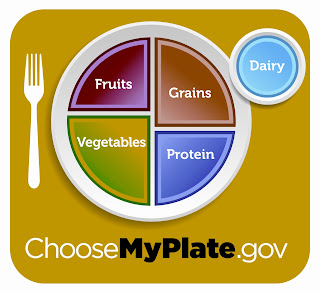
Last week the United States Department of Agriculture unveiled the new icon for following a healthy diet, Choose MyPlate.gov http://www.choosemyplate.gov/ This is intended to replace the last icon, MyPyramid, introduced in 2005. I am an instant fan of MyPlate. It is immediately understandable, even to elementary children. It contains proportionality, so we know to eat half our plate vegetables and fruits, and keep the other half grains and protein. What does need a little more explanation is that we want to teach eating more whole grains, or at least half our daily servings of grains. So, I think they could have labeled it whole grains instead. The other tricky part is: what is protein? Since it includes meats, poultry, fish, nuts, seeds, beans and legumes, I guess that is too much to fit in that small wedge.
Then there is the dairy circle. I am glad it is there, but it also now includes non-dairy soy products fortified with calcium and Vitamin D for our vegan dieters. Cheese, yogurt, and milk of course are included, even though it is not immediately discernable from the circle off the plate.
It is a great teaching tool nonetheless, and a great conversation starter. To further the discussion, USDA includes the following teaching points to get you on the road to a better diet:
Balancing Calories
Enjoy your food, but eat less.
Avoid oversized portions.
Foods to Increase
Make half your plate fruits and vegetables.
Make at least half your grains whole grains.
Switch to fat-free or low-fat (1%) milk.
Foods to Reduce
Compare sodium in foods like soup, bread, and frozen meals ― and choose the foods with lower numbers.
Drink water instead of sugary drinks.
Thursday, March 31, 2011
Family Meals and Children’s Diets- Healthy Progress?
If you are a parent of a school-aged child, you may be wondering are we, collectively as Americans, making any progress in improving family meals and children’s diets? The answer is both yes and no. New research published by the American Dietetic Association’s 2010 nationally representative survey of 1 ,193 pairs of parents and children ages 8-17 has looked at changes from 2003- 2010 and saw some positive changes. The amount of daily family meals eaten at home has increased, rising from 53% to 73%. This is good news, as previous research has shown meals eaten together at home are more nutrient dense and less in calories, fat, added sugar and sodium. They also promote stronger, healthier children and families. However, there are serious gaps in knowledge and behavior for most children and parents when it comes to healthy meals and snacks. The latest National Health and Nutrition Examination survey data still show the vast majority of children in this age group do not consume the recommended amounts of vegetables (90%), fruits (75%), dairy (50% boys, 90% girls), and whole grains (95%). When asked which food group they should eat the most servings from, less than 25% correctly identified grains, but 70% did know the least amount of food servings should come from fats and oils. Yet, 30% of children’s calories come from solid (unhealthy) fats and added sugars, such as sodas and sweet drinks, cakes, cookies, and fried foods (the U.S. Dietary Guideline’s goal is not more than 15%). Both children and parents believe it is important to eat healthy foods, and most think they are. Unfortunately, this current actual eating pattern negatively affects not only potential for healthy growth, but promotes excess weight gain, more risk for infection such as colds and flu due to decreased immune function, more absenteeism, and decreased academic performance. So why is there such a disconnect between parents and children believing they consume healthy diets and the reality of their actual intake? One major reason is that high calorie, less nutritious foods are more easily available and advertised, making them seem like the “normal standard,” and so easier to purchase and consume. This is especially true with children’s snacks. As new data show, children have increased snacking from once to twice a day, increased calories from 200 to 525, (largely from sugar and fat), and decreased vitamins and minerals in the past decade. Fortunately, the majority of parents and children both expressed the desire and value being healthy and want to learn to consume more nutritious foods. Youth and adults rate taste foremost in food selection, and then nutrition. Children and parents want to spend more quality time together, and these are all great opportunities to promote positive diet change. Here are some small steps to improve your family’s diet. Try a new one each week: • With spring here and summer approaching, consider planting a vegetable garden together and buying local, fresh fruit and vegetables at farmer’s markets. • Try a new fruit or vegetable each week. Encourage your child to help select, prepare and serve. Offering them as a snack often makes it easier for all to taste and accept. • When shopping, compare the Nutrition Facts labels and select foods that are lower in sodium, sugars, and fat. Look for 10% or more daily value of calcium, fiber or vitamins per serving. • Keep snack calories under 300 per serving and offer 2-3 food groups per snack. Low fat dairy (milk, yogurt, cheese) fruits, vegetables and whole grains are great choices. • Look for grains with whole grains listed as the first ingredient. • Offer water when your children are thirsty. • Check http://www.mypyramid.gov/ for more ideas, or contact Penn State Extension at http://www.extension.psu.edu/ for food and nutrition programs in your area.
Wednesday, February 2, 2011
New Family Fitness Educator Training
I am hosting another Family Fitness Educator Training on Saturday, March 12 in Selinsgrove at the Church of the Nazarene. We are offering the curriculum free; cost for the training is $20 and includes lunch. We are especially extending this training to community youth educators, community health educators, after school programs providers, teachers, and family educators of parents of children ages 8-12. Please share with anyone who may be interested.
Program training is limited to first 25 registrations. You can download a registration brochure from our county website at
http://northumberland.extension.psu.edu/
or call our office at 570-988-3950. Registration deadline March 4.
Program training is limited to first 25 registrations. You can download a registration brochure from our county website at
http://northumberland.extension.psu.edu/
or call our office at 570-988-3950. Registration deadline March 4.
Kids Eat Right Healthy Diet Resources
Looking for more on-line reliable healthy family diet resources? I am a fan of the American Dietetic Association's new "Kids Eat Right" website. http://www.eatright.org/kids/
Tuesday, December 7, 2010
New PDA Food Safety Regulations Affects Certification Training
Effective January 22, 2011 new Pennsylvania Department of Agriculture regulations regarding food employee recertification will go into effect. These regulation changes include:
1. PDA will no longer be issuing state certification or recertification forms. After this time, individuals whose PDA Food Employee Certificate is up for renewal will be required to complete an approved food safety program and successfully pass the certification exam. In other words, everyone will have to retake the food safety certification exam every 5 years in order to meet PDA requirements. Penn State Extension offers the National Restaurant Association ServSafe food safety course, and the certificate you receive for passing the ServSafe exam will meet the PDA requirements for Food Protection Manager Certification.
2. In Pennsylvania, each licensed food establishment must have at least one supervisory employee who has Food Protection Manager Certification.
3. Each establishment must have a certified person who is accessible during all hours of operation.
For those food establishments and organizations who hold a food license in Pennsylvania, and have a PDA Food Employee Certificate with an expiration date sometime in 2011, you have about a 4 to 6 week window of opportunity to complete requirements for recertification without retaking the exam at this time.
Penn State Cooperative Extension in Northumberland County has a 1-day class for recertification on January 13, 2011 from 8:30 am-5:00 pm at the Penn State Extension Office at 443 Plum Creek Road, Sunbury, cost $135. You must present a current PDA Food Employee Certificate to attend the class for recertification. If attending for new certification, you must attend an additional class with the exam will be held January 27 from 8:30 am-1:00 pm, and cost is $175. Class size will be limited to 25 participants and payment must be received at the time of registration. Registration deadline is January 6. Another option is to wait to closer to when your certificate expires, enroll in a class, and then take the exam for certification. Registration information for all 2011 classes can be downloaded from our website at under Food & Nutrition link or contact our office at 570-988-3950.
Wednesday, September 1, 2010
Your First Prescriptions for Better Health
It’s no secret following a healthy diet full of less processed fruits, vegetables, whole grains, low-fat diary and meat/beans/seeds nuts and regular physical exercise will help prevent and protect you and your family from the major chronic diseases we die from and make us sick in the U.S: heart disease, cancers, strokes, and diabetes. But for many reasons Americans just don’t seem to hear, understand, and follow these messages. Some enterprising health professionals have finally begun actually writing their patients’ medial prescriptions to eat 2-2.5 cups of fruits and 2-4 cups of vegetables. They are now referring patients to registered dietitians and health prevention programs to help them see the great importance of diet to their health and make behavior change easier. And why not write preventative prescriptions? Physicians have traditionally only written medical orders for patients who need medial nutrition therapy from a registered dietitian after they already have an illness, e.g. diabetic diets, low-fat, low cholesterol diets for those who have had heart attacks, or have high blood cholesterol, blood glucose, obesity or other medical indicators of health problems. Likewise, why wait until the patient needs to see a physical therapist for recuperation after a stroke or heart attack when they should be moving more each day for prevention? A written prescription for 2 ½ -3hours/week of walking or other regular physical activity may motivate the patient to get moving more each day before the high expenses of medications, surgery, hospital stays, or therapists are incurred. Now that health insurance companies have finally realized that health costs are much lower if prevention programs are utilized, many offer or reimburse clients for diet, exercise and other community health education programs.
So don’t wait to make diet changes until you or your loved one is diagnosed with a serious illness or weight issues. It is never too early to make a healthy lifestyle your lifestyle. At any life stage- pregnancy, young infants and children, teens, young adulthood, mid-life, and older- the research is clear: taking simple steps to moving more and making a healthy diet change will improve your health.
Here are some upcoming local programs offered by Penn State Extension. Register now and find out how to make simple, healthy changes a part of your lifestyle:
JOIN THE STRONGWOMEN - HEALTHY HEARTS PROGRAM!
Heart disease is the leading cause of death for women in the United States. Heart disease and stroke can also limit a woman's ability to do the everyday things that she is used to doing.
A new class will start September 28. For a printable brochure, go to http://northumberland.extension.psu.edu/Nutrition/StrongWomen0910.pdf
The team at Tufts University in Boston, Massachusetts who brought strength-training programs to midlife and older women throughout Pennsylvania has developed an exercise and nutrition program designed to help women improve their heart health. The StrongWomen - Healthy Heart Program is a fun, hands-on way to make positive changes to help you eat better (make new tasty recipes, meal planning, portion size), move more, and improve your general health and well-being.
Strong Women, Strong Bones
This strength training and nutrition program was developed by Tuft’s University for mid-life and older women, the program improves strength, flexibility, bone density, reduces falls, and improves arthritis symptoms, and many other health improvements. Even if you have never been physically active, or even if you are somewhat active, this program is for you. Classes meet 2 times per week for one hour over 6 weeks. There are 2, 6 week sessions offered: Strong Women Stay Young and Strong Women Strong Bones. There is a registration fee of $60 for 6 weeks, or $110 for 12 weeks if paid in full by first class, and covers instructor and handout materials; participants must purchase light hand and ankle weights.
Strong Bones, a Strength Training Program Upcoming classes:
• Turbotville - Program starts September 13th. For a printable brochure, go to http://northumberland.extension.psu.edu/Nutrition/SW-Turbotville
• Bloomsburg - Program starts September 14th. For a printable brochure, go to http://northumberland.extension.psu.edu/Nutrition/SW-Bloomsburg
• Sunbury - Program starts September 28th. For a printable brochure, go to http://northumberland.extension.psu.edu/Nutrition/SW-Sep2010
Dining with Diabetes
Learning that you have diabetes can be overwhelming at first. There are many new things to learn and it can be difficult to know where to start. Dining with Diabetes is a program offered by Penn State Cooperative Extension. It will help you to understand some of the most important things you need to know about how to manage your diabetes. Registered Dietitians will lead discussions addressing:
• Important numbers you need to know
• Planning healthy meals
• Healthy food preparation
• Physical activity
Classes are offered weekly for four weeks, with a three-month follow-up class. Each class offers:
• Food demonstrations and tasting
• Physical activity and ideas to take home
• Discussions regarding important information to help you manage your diabetes
• Lab tests will be offered to measure HbA1c and lipid levels.
If you or your loved one has been told that you have Type 2 diabetes, you will want to attend this class. Spouses and a family member are encouraged to attend.
Program sites:
Bloomsburg : Wednesdays, October 6, 13, 20, 27, 2010 and January 4, 2011
For a brochure and registration form, go to
http://tinyurl.com/35ozgxq
Shamokin Hospital: Wed: 11/10,17,24,12/1/10 & 2/9/11
Sunbury: Tuesdays 1/11,18,25, 2/1& 4/12/11 and Mondays 3/7,14,21,28 & 6/6/11
Brochures will be posted at: http://northumberland.extension.psu.edu/nutrition/food_safety.htm
For more information on other programs, such as Family Fitness, and Eat Smart, Move More EFNEP Nutrition Links program for resource-stressed clients, and more, see my website at http://northumberland.extension.psu.edu/nutrition/food_safety.htm
Thursday, July 8, 2010
Understand Common Misconceptions about Diabetic Diets
People with diabetes know that diet plays a crucial role in managing their disease. But many diabetics are confused about what they can and cannot eat to control diabetes. To clarify some of the common misconceptions about diabetes and diet, The University of New Hampshire and Penn State Cooperative Extension provides the following information about some common myths about the diabetic diet.
Myth 1: You need a special diabetic diet if you have diabetes.
Fact: There's no special diet just for diabetes. The dietary guidelines that help manage blood sugar and prevent diabetes complications like blindness, kidney failure and limb amputation are basically the same ones that help control weight and lower the risk of chronic diseases. There are four general guidelines for eating well for diabetes and overall health.
1. Eat whole grains, fruit, vegetables, low fat dairy foods, nuts, baked or broiled fish, and modest amounts of lean meat.
2. Be aware of portion sizes.
3. Spread your carbohydrates evenly over the day.
4. Get regular exercise.
Myth 2: Cut back on all carbohydrates and eat more protein and fat, because they don't raise blood sugar.
Fact: Carbohydrates aren't your enemy if you choose wisely! In fact, the American Diabetes Association (ADA) recommends eating more of the high-quality, health-promoting carbs found in whole grains, fruits, vegetables, beans and low-fat dairy products. The lower-quality carbs to reduce are refined, processed grain foods like white bread, white rice and pasta, soda and added-sugar foods. However, individual carbohydrate intake depends on one’s activity level, weight and height, blood sugar readings, diabetes medications, health status, and carbohydrate choices (some raise blood sugar more than others).
As for more protein, most people with or without diabetes already surpass their needs by a good 50 percent. Higher levels may worsen existing kidney problems. Eat protein sources low in saturated fat like very low-fat dairy foods, skinless poultry, fish, beans and soy.
Myth 3: Don't eat fruits, because they're too high in sugar.
Fact: Most whole fruits have a relatively modest blood-sugar effect if portions are reasonable, because their sugars are more slowly released and absorbed. The ADA recommends up to four servings of fruit daily as well as taking your blood sugar an hour or two later to determine the impact of different fruits (and other foods as well).
If you would like to learn more about managing your diabetes, plan to attend Penn State Cooperative Extension’s Dining with Diabetes program. It’s a 4-week program running on four consecutive Thursdays, beginning August 5-26. Classes will be held at the Penn State Extension Columbia County Cooperative Extension Office, 702 Sawmill Road, from 5:00-7:00 p.m. Participants will receive an exercise DVD, exercise band, pedometer, blood glucose testing, as well as help prepare and taste healthy dishes at each class. The cost is $35 per participant and $50 per family. For more information or to register, please contact instructor and registered dietitian Lynn James, M.S., R.D., L.D.N. at 988-3950 or print a brochure from our website http://northumberland.extension.psu.edu/
Tuesday, May 18, 2010
Does Physical Activity Help Us Avoid Weight Gain?
In a recent study of middle-aged women and weight gain published in the Journal of the American Medical Association, researchers found only those of normal weight successfully avoided gaining weight by exercising an average of 60 minutes daily. Overweight women (with a body mass index above 25) or obese (a body mass index above 30) still continued to gain weight when exercising 60 minutes most days. For weight gain prevention, the overweight and obese group, which represents 60% of women in the U.S., needs to combine regular physical activity with calorie control. The 2008 federal recommendation of accumulating 150 minutes of physical activity per week is clearly insufficient to avoid weight gain for most women. The U.S. 2005 Dietary Guidelines recommends 90 minutes of physical activity daily for weight loss. Other research studies have shown accumulating 250-300 minutes of physical activity per week is needed for weight loss or prevention of weight gain for most people.
What may be the best way to determine how to cut calories for prevention of weight gain? Most successful weight loss begins with an examination of your current eating patterns. To do this, document your daily food and drink intake for a week, including weekends. Record the times and amounts (actually measure your food before you eat it) of all food and look for patterns. Here are some common ways many people over consume:
• Too large portions To learn the amounts of food recommended for you, go to www.mypyramid.gov and select analyze my diet, which takes you to the MyPyramid Tracker. Enter your sex, weight, and activity level and see what is recommended for you. Subtract 250-500 calories per day for a manageable ½-1 pound per week weight loss. You can even enter in your daily food intake at MyPyramid Tracker and find out how many calories you are eating, and where you need to make adjustments in your diet.
• Drinking too many calories If you regularly consume alcohol, soda, sweet tea, juice (limit to ½ cup daily) or other caloric drinks, you are drinking your way to weight gain. Clear liquid drinks do not fill you up, and can easily add 200-500 calories/drink. Drink water (zero calories) or flavored water for thirst, and milk, if possible, with meals.
• Eating out Again portions are way too large when eating out. Unfortunately, study after study shows the bigger portions we are served, the more we eat. Some people seem to get confused at salad bars and buffets. You really did not pay for unlimited food. It is so easy to forget how much you have eaten when the servers have cleared away your plates each time. Anything deep fried, crispy, or in a heavy cream sauce will be loaded with extra calories. Restaurants also cook and add excessive amounts of salt to foods, which makes you drink excessively, usually caloric drinks… Take a doggie bag home, split the meal with a friend, and eat your salad first (limit dressing, cheese, etc.) to help you fill up on lower calories foods. Eat slowly and learn to follow your body’s signals of feeling full.
• Snacking Actually, the research shows eating regular meals and snacks helps us maintain a healthy weight and lose weight, if needed. Choose to eat meals every 4-5 hours and 1-2 planned snacks in between, especially if meals are spaced further. Choose snacks from the foods groups. Most people need to eat more vegetables, fruits, and dairy (low-fat) and whole grains. Plan for snacks with 2-3 food groups, and don’t skip meals, especially breakfast, or you will overeat the rest of the day.
If you are interested in attending a program to help you or your family increase your physical activity and improve your diet, contact your county Penn State Extension office. Our Strong Women, Strong Bones and new Strong Women, Healthy Hearts programs are helping hundreds of women in Pennsylvania improve their fitness and diets. For lower-income families with children, our Nutrition Links programs are free and offer hands on cooking and food budgeting, meal planning and more. For families with school-aged children, check out our Family Fitness and Up for the Challenge, and summer 4-H programs in your area. On-line, go to www.extension.psu and click on counties for more local information, or click on nutrition and health programs for more information on our programs.
Thursday, May 13, 2010
Home Canning Resources
I have one comment on a resource for home canning. The criteria the Food Science Department at Penn State Univeristy uses to determine if a resource is safe include if the recipe was tested at a research lab for time, temperature and pressure needed to raise the food product to a safe temperature to kill microorganisms. The only recommended resources we have are from Univeristy Extension services, such as Penn State Extensions's free Let's Preserve series http://foodsafety.psu.edu/lets_preserve.html , The National Center for Home Food Preservation from the University of Georgia Extension, including their excellent publication So Easy to Preserve http://www.uga.edu/nchfp/ , USDA's Complete Guide to Home Canning (free) http://foodsafety.psu.edu/canningguide.html , and Ball's Blue Book (any earlier verions publiched before 2000 shoudl not be used). For more informations on recommended resources for home canning, see http://foodsafety.psu.edu/preserve.html
Tuesday, May 11, 2010
Cooking for Crowds Food Safety Courses
Fairs, church dinners, fire company chicken barbecues, booster club hoagie sales, organizational bake sales...nonprofit food fund-raisers are an excellent way to socialize with the community while earning money for organizational activities.
However, did you know that from 1990-2004, over 1,700 people became ill from food purchased at Pennsylvania nonprofit food-raisers? How will your organization protect it’s customers from food-borne illness? Does your organization know the food safety risks that result from cooking large volumes of food? Does your organization know how to prevent the food safety risks that result from cooking large volumes of food?
You and your organization have so much to gain from a successful food fund-raiser. Don’t risk your customer’s health or damaging your organization’s reputation. Find out to keep your next food fund-raiser safe from foodborne illness. Topics covered include: The causes of food-borne illness, planning a safe event, safe purchasing, storage, preparation, and service for a crowd, monitoring and record keeping, and cleaning and sanitizing.
Course Instructor: Lynn James, M.S., R.D., L.D.N. Penn State Extension Educator and Registered Dietitian
Dates & Locations:
Date: Tuesday, June 1, 2010
Time: 6:00 p.m.-9:00 p.m.
Location: Penn State Extension Northumberland County 443 Plum Creek Road Sunbury, PA
Date: Tuesday, June 29 , 2010
Time: 6:00 p.m.-9:00 p.m.
Location: Penn State Extension Union County 343 Chestnut Street Mifflinburg PA
Workshop fee: $ 20.00
To register, call the Penn State Cooperative Extension, Northumberland County office at (570)-988-3950 to have a registration brochure mailed, or print one from our website: http://northumberland.extension.psu.edu
Subscribe to:
Posts (Atom)